Attic Ventilation and Insulation: Stop Ice Dams Cold
Proper attic ventilation, insulation, and air sealing help reduce the conditions that cause ice dams. For West Michigan homeowners, these systems protect the roof, improve comfort, and reduce unnecessary heat loss.
If you live in Grant, Fremont, Newaygo, or elsewhere in Central West Michigan, you know how quickly snow can pile up. Temperature swings then cause snow to melt and refreeze along the roof edge.
When your attic is too warm or poorly ventilated, that winter cycle can lead to wet insulation, mold, damaged roof decking, and ceiling stains. The good news is that the conditions that contribute to ice dams can often be corrected.
RAO Roofing installs and maintains insulation and ventilation systems designed to support your home’s comfort and long-term roof performance.
What Causes an Ice Dam?
Ice dams form when heat from your home warms part of the roof and melts the snow above it. The water runs toward the colder eaves, refreezes, and creates a ridge that traps additional water.
The process usually happens in four steps:
- Warm household air leaks into the attic.
- The attic warms the upper roof deck.
- Snow melts and runs toward the eaves.
- The water refreezes at the colder roof edge.
As the ice ridge grows, additional meltwater can back up beneath the shingles. It may then soak the roof deck, insulation, walls, or ceilings.
Removing the visible ice may reduce immediate pressure, but it does not correct the underlying attic problem. When heavy ice or snow creates an urgent concern, professional rooftop snow and ice removal can help limit damage while the cause is evaluated.
How Attic Ventilation Helps
Balanced attic ventilation helps keep the roof deck closer to the outdoor temperature. This reduces the uneven snowmelt that allows ice dams to develop.
A typical ventilation system uses two main vent types:
- Soffit vents bring fresh outdoor air into the attic near the eaves.
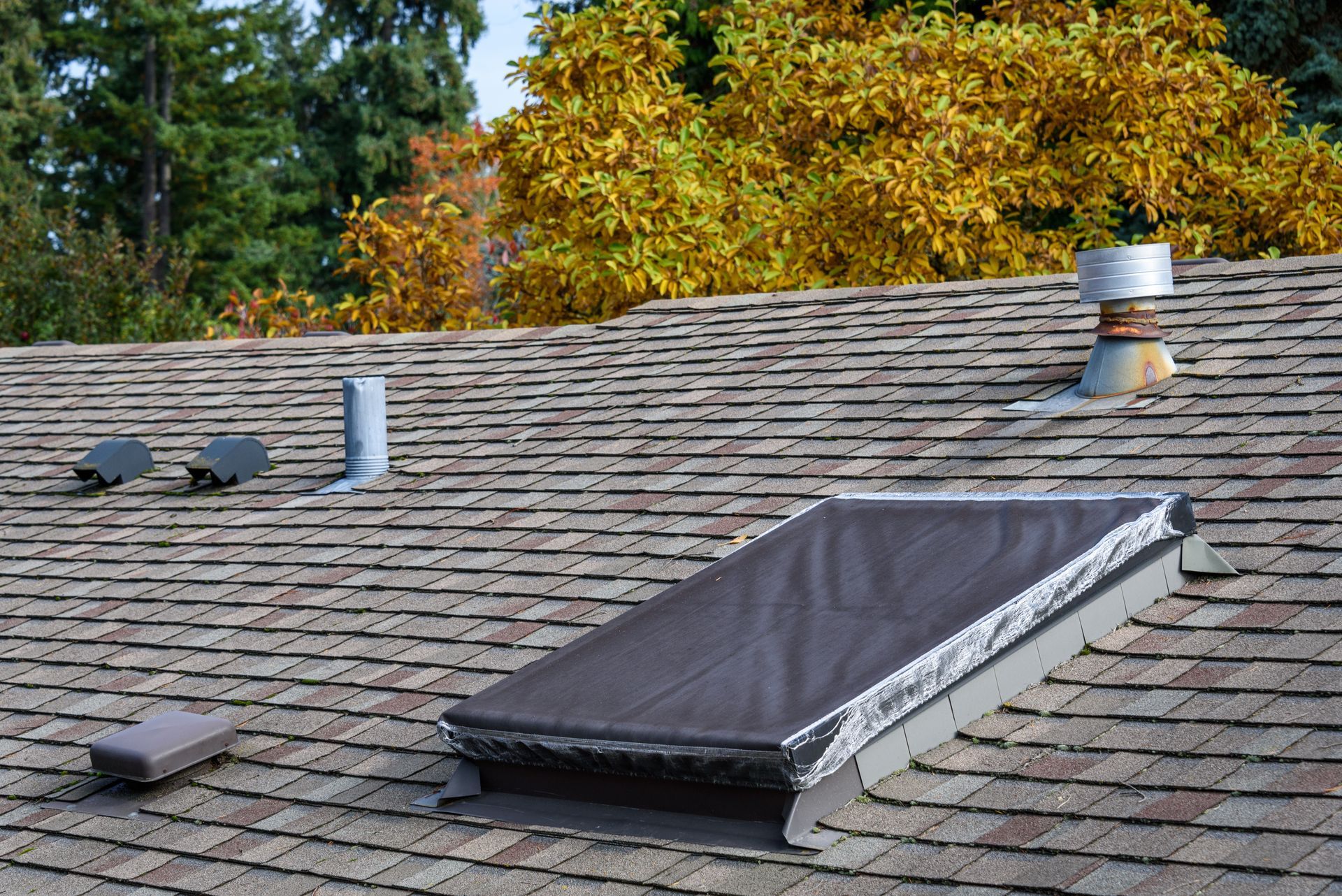
- Ridge vents allow warmer, moisture-filled air to escape near the roof peak.
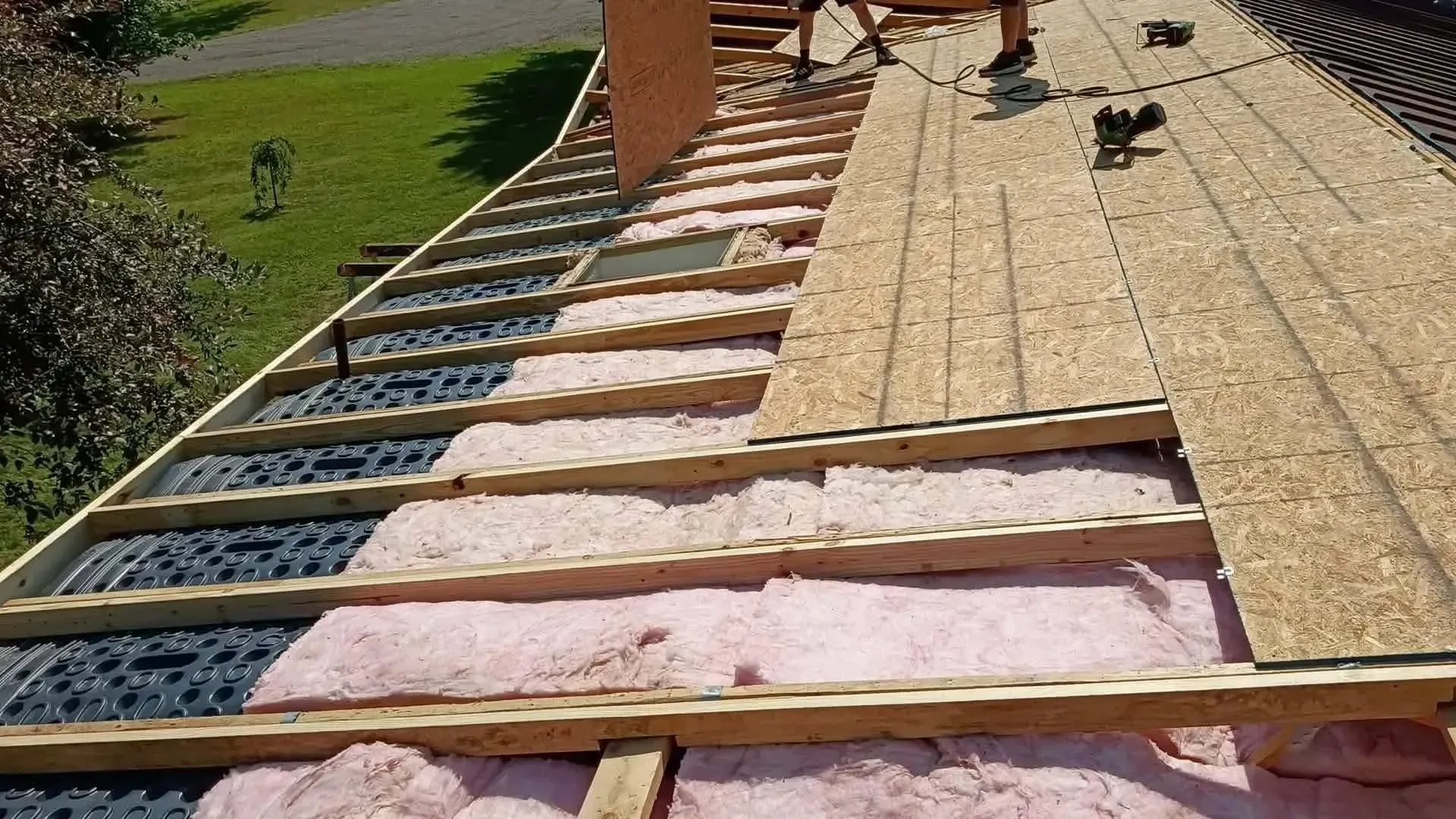
Baffles or rafter vents keep the airflow path open above the insulation. Without them, loose insulation can cover the soffit vents and prevent fresh air from entering.
Intake and exhaust vents must work together. Adding more exhaust ventilation will not necessarily solve the problem if your soffit vents are blocked or undersized.
The ENERGY STAR guide to attic ventilation explains that ventilation works with insulation and air sealing to keep attics cold during winter and reduce the potential for ice dams.
Many older West Michigan homes were built before balanced attic airflow became a standard part of roofing design. Our guide to roof ventilation problems in Michigan explains how blocked, damaged, or unbalanced vents can affect the rest of your home.
Why Insulation and Air Sealing Matter
Insulation slows heat transfer, while air sealing prevents warm indoor air from leaking into the attic. You usually need both to control attic temperatures effectively.
Warm air can escape through gaps around:
- Plumbing pipes
- Electrical wiring
- Attic access doors
- Chimneys and flues
- Recessed lights
- Bathroom exhaust ducts
- Interior wall openings
Adding insulation without sealing these openings may leave major heat-loss areas unresolved. A complete attic improvement should usually follow this order:
- Check for active roof leaks and moisture damage.
- Identify and seal air leaks from the living space.
- Confirm that soffit and rafter ventilation paths are clear.
- Add or redistribute insulation where needed.
- Verify that household exhaust fans vent outdoors.
R-value measures how well insulation resists heat flow. According to current ENERGY STAR recommendations for Climate Zone 5, an uninsulated attic may need approximately R-60. An attic with 3 or 4 inches of existing insulation may need to be increased to around R-49.
These are general retrofit recommendations. The right solution for your home depends on its construction, existing insulation, ventilation design, and current condition.
Signs Your Attic Needs Attention
Recurring ice, frost, moisture, or uneven indoor temperatures can signal an attic ventilation or insulation problem. Some warning signs are visible from the ground, while others appear inside the attic or living space.
| Warning Sign | What It May Mean |
|---|---|
| Ice ridges along the eaves | Heat may be melting snow unevenly |
| Large or recurring icicles | Meltwater is repeatedly freezing at the roof edge |
| Frost on attic nails or decking | Warm, moist air is condensing inside the attic |
| Wet or compressed insulation | A leak or condensation is reducing insulation performance |
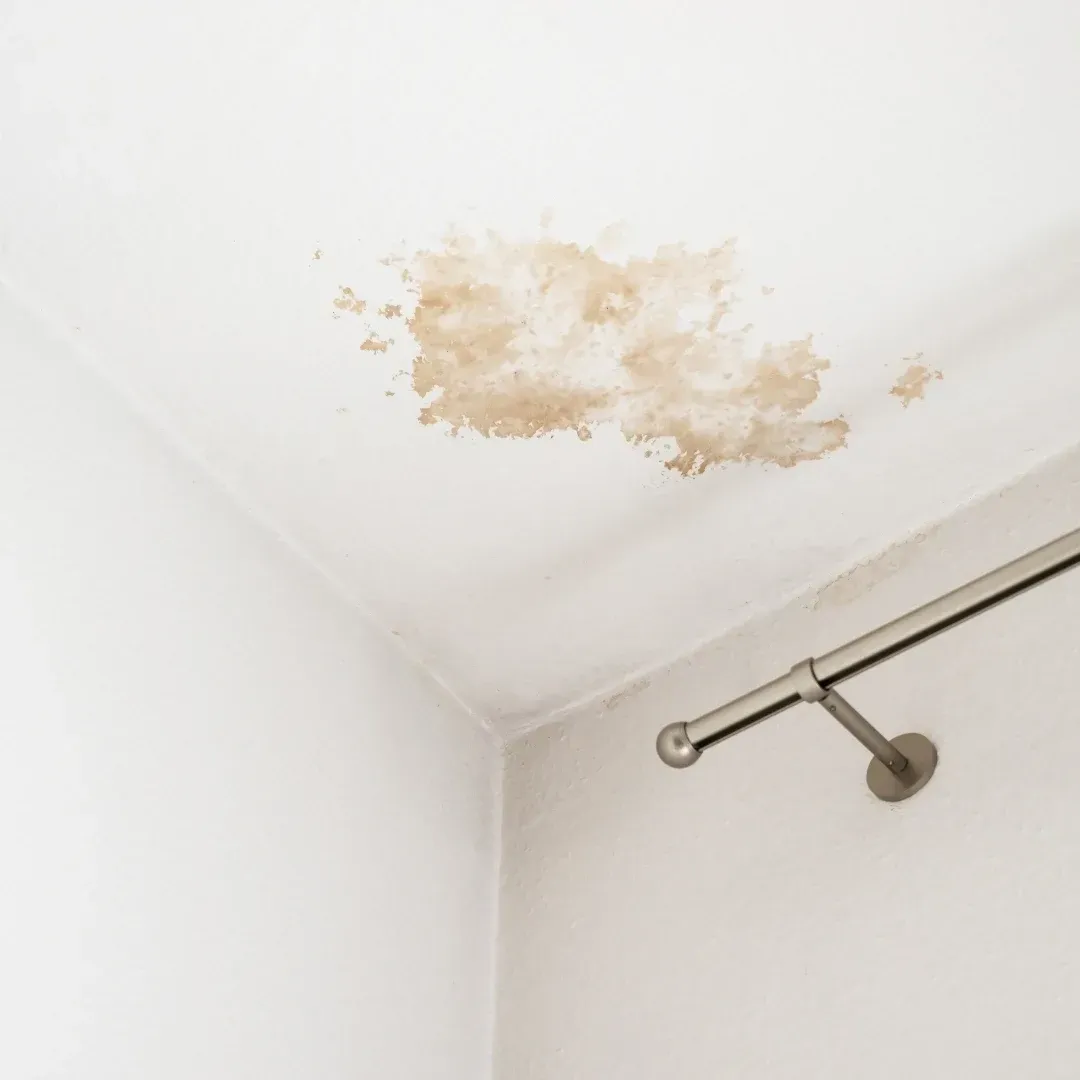
| Ceiling stains after a thaw | Water may be entering beneath the roofing |
| Hot upper rooms in summer | Heat may be trapped in the attic |
| Visible attic floor joists | Insulation may be too shallow or uneven |
| Musty odors or dark wood stains | Excess moisture may be contributing to mold or wood damage |
Do not climb onto an icy roof to investigate. A professional roof inspection can evaluate the shingles, flashing, ventilation openings, roof decking, and visible attic conditions more safely.
How Attic Upgrades Protect Your Roof System
Attic upgrades protect more than the space above your ceiling. They support your shingles, roof deck, gutters, indoor comfort, and moisture control as one connected system.
A complete evaluation may include:
- Checking the balance between intake and exhaust ventilation
- Clearing blocked soffit vents
- Looking for air leaks around attic penetrations
- Identifying wet or compressed insulation
- Checking the roof deck for staining or deterioration
- Confirming that bathroom fans exhaust outdoors
- Reviewing insulation depth and coverage
- Inspecting flashing and other leak-prone areas
- Checking gutters and downspouts for drainage problems
A properly working gutter system cannot prevent an ice dam caused by escaping attic heat. However, it can help carry normal roof runoff away from your home when temperatures rise.
New shingles also cannot correct an unresolved attic heat problem. Replacing the roof without checking the attic is like putting new tires on a car with a bad alignment. The new materials may look good, but the underlying problem can cause premature wear and additional repairs.
That is why we look at the roof as a complete system rather than treating shingles as the only protective layer.
What to Do Before Winter
The best time to address attic problems is before extended freezing temperatures arrive. A fall inspection gives you time to correct airflow, insulation, roof leaks, and drainage concerns before snow begins to accumulate.
Use this homeowner checklist:
- Look for water stains on ceilings and attic framing.
- Check whether insulation is spread evenly.
- Confirm that soffit vents are not covered.
- Make sure bathroom fans do not terminate in the attic.
- Clean leaves and debris from gutters.
- Check that downspouts drain away from the foundation.
- Replace damaged vent covers or screens.
- Schedule repairs for active leaks or damaged flashing.
- Have recurring ice-dam areas professionally evaluated.
If water is already entering your home, move belongings away from the affected area and place a container beneath active drips when it is safe to do so. Avoid chopping or breaking ice with sharp tools because you may damage the shingles, flashing, or gutters.
Contact a professional for roof repairs and an evaluation of the underlying cause.
FAQs About Attic Ventilation and Insulation
How can I tell whether my attic has enough insulation?
Look across the attic floor. If the insulation is level with or below the tops of the floor joists, you may need more. A professional can identify the insulation type, estimate its current R-value, and find areas with insufficient coverage.
Can ventilation alone stop ice dams?
Not always. Ventilation helps keep the roof deck cold, but warm air can still enter through unsealed gaps and poorly insulated areas. The most effective approach combines balanced ventilation, air sealing, and suitable insulation.
Can insulation block soffit vents?
Yes, if it is installed incorrectly. Baffles should maintain a clear airflow path from the soffit vents into the attic. Insulation should never be packed directly over an intake vent.
Should wet attic insulation be replaced?
Wet insulation should be inspected promptly because moisture reduces its performance and may contribute to mold or wood damage. The source of the moisture must be corrected before damaged insulation is dried or replaced.
Can a new roof still develop ice dams?
Yes. New shingles and underlayment improve weather protection, but they do not stop heat from escaping into the attic. Ice dams can return when insulation, air sealing, or ventilation problems remain.
Schedule an Attic and Roof Evaluation
RAO Roofing evaluates roofing, insulation, ventilation, and drainage concerns so you can address the cause instead of repeating temporary repairs.
We serve
Grant, Fremont, Newaygo, Big Rapids, Grand Rapids, and communities throughout Central West Michigan. Call
(231) 282-1932 to request an evaluation or free estimate.
SHARE THIS ARTICLE
Recent Posts