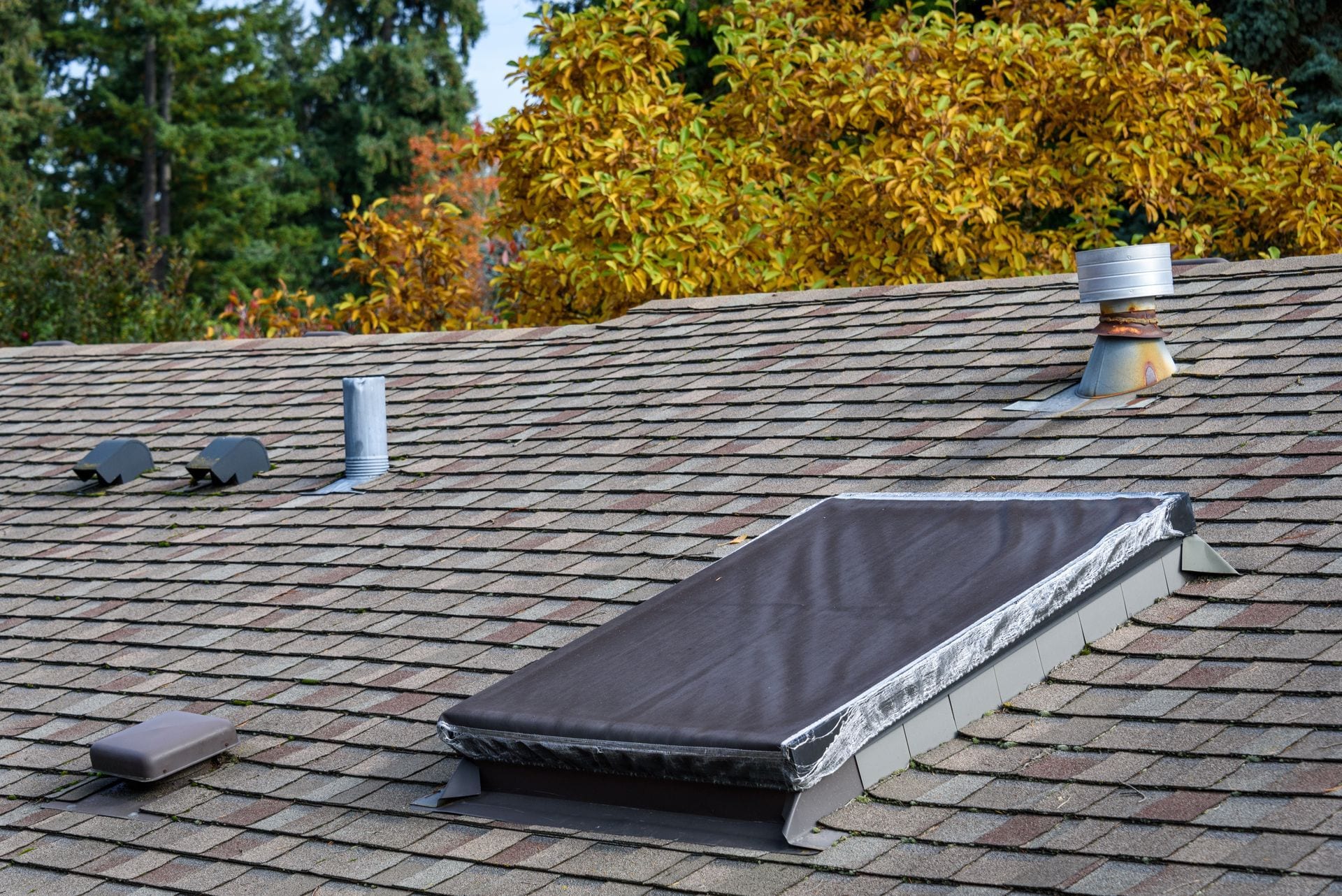

The West Michigan Roof Survival Guide: What Every Grant, MI Homeowner Needs to Know
West Michigan weather punishes roofs in every season. Lake-effect snow piles up in winter, spring temperature swings bring repeated freezing and thawing, and summer storm fronts bring wind, hail, and heavy rain. Damage often starts quietly beneath shingles, around flashing, or inside the attic before a ceiling stain appears.
RAO Roofing serves Grant and communities across Central West Michigan with more than 28 years of roofing experience. A professional roof inspection in Grant, MI can uncover hidden trouble before more severe weather makes it worse.

4 Major Weather Threats to West Michigan Roofs
Four major weather-related threats covered in this guide are snow and ice dams, wind uplift, hail impact, and freeze-thaw water damage. Each affects different parts of the roof, but all can turn a small weakness into a costly leak.
| Weather Threat | Commonly Affected Areas | Warning Signs |
|---|---|---|
| Snow and ice | Eaves, shingles, gutters, attic | Icicles, ceiling stains, uneven melting |
| High wind | Roof edges, ridge caps, flashing | Lifted tabs, missing shingles, loose metal |
| Hail | Shingles, vents, gutters | Granules, dents, impact marks |
| Freeze-thaw and rain | Flashing, sealants, decking | Recurring leaks, cracks, damp attic areas |
1. Lake-Effect Snow and Ice Dams Force Water Backward
Snow becomes especially dangerous when escaping heat warms the upper roof while the eaves stay cold. Snow melts, water runs downward, and then refreezes at the edge. As the ice ridge grows, water can pool behind it and move beneath shingles.
An ice dam can cause damage while the roof looks intact. Water may reach the attic, insulation, ceilings, and exterior walls before an active leak appears.
The National Weather Service explains that repeated melting and refreezing can push water and ice beneath shingles. It recommends evaluating attic insulation and ventilation and keeping gutters and downspouts clear to reduce repeated melting and refreezing. A roofing professional may also recommend sealing attic air leaks and installing appropriate ice-barrier underlayment at vulnerable eaves during reroofing.
Watch for:
- Thick ice along the lower roof edge
- Large icicles with stains near exterior walls
- Snow melting faster over one roof section
- Damp insulation or darkened roof decking
- Gutters pulling away from the fascia
Do not chip at the ice or climb onto an icy roof. A roof rake may help reduce snow from the ground when conditions are safe, but active leaking or heavy ice buildup should be handled professionally.
2. Wind Damage Often Starts at the Edges
Wind does not have to strip an entire roof to create a leak. It often begins by loosening shingles, ridge caps, starter courses, or flashing at the eaves and rakes.
After a storm front moves through Grant, inspect from the ground. Look for missing shingles, raised tabs, crooked ridge caps, bent flashing, damaged gutters, or roofing pieces in the yard. Check the attic for fresh moisture around vents and chimneys.
A lifted shingle may settle back down after the wind stops and look normal from the driveway even though its seal has weakened. That hidden damage may not show itself until the next wind-driven rain.
Our guide on what to do after high winds explains how to check the home safely and document visible damage.
During installation, starter shingles, correct fastener placement, secure ridge components, and integrated flashing help the roof resist future storms. Materials perform best when the complete system is installed correctly.
3. Hail Damage May Collect in Your Gutters First
After hail, many homeowners see no missing shingles and assume the roof is fine. However, hail can bruise shingles or loosen their protective granules without creating an obvious hole.
Loose granules may collect near downspouts as dark, gritty sediment. Some shedding is normal with age, so granules alone do not prove replacement is needed. A sudden increase after a storm is worth investigating.
Other warning signs include:
- Dents on gutters, downspouts, vents, or flashing
- Dark, shiny, or soft-looking spots on shingles
- Cracked skylight or vent components
- New ceiling stains or damp attic areas
- Damage to siding, screens, or outdoor equipment
Hail damage depends on the storm, material condition, roof slope, and impact pattern. A trained inspection is more reliable than a ground-level guess.
Our article on hidden storm damage on Michigan roofs explains why small impact marks, loose flashing, and disturbed seals deserve attention even when there is no active leak.
4. Freeze-Thaw Cycles Turn Small Gaps Into Leak Paths
Freeze-thaw damage begins when water enters a small opening and repeatedly freezes and expands. Over time, that stress can worsen cracks in sealant, flashing, chimney masonry, roof edges, and other vulnerable details.
Heavy rain then exposes the weakness. Water may enter near a chimney, vent, skylight, loose shingle, or failed flashing and travel before appearing indoors. A ceiling stain is not always below the source.
Call for professional roofing repairs when you notice recurring stains, wet insulation, loose flashing, cracked chimney mortar, soft decking, or leaks during wind-driven rain. Keep gutters and downspouts clear so water does not spill behind the gutter, soak fascia, or freeze along the roof edge.
When to Schedule a Roof Inspection in Grant, MI
Schedule an inspection after severe wind or hail, when you find a leak, before buying or selling a home, or when an older roof shows widespread wear. A yearly check may also be practical for a home with previous leaks, ice dams, repairs, or storm claims.
When insurance may be involved, follow this sequence:
- Document visible damage safely.
- Move valuables and take reasonable temporary steps to prevent additional loss.
- Contact the insurer or agent promptly.
- Arrange a professional roof inspection and written documentation.
- Avoid permanent repairs until the insurer has inspected or approved the work, unless emergency work is required.
- Keep all photographs, reports, estimates, and receipts.
Michigan’s Department of Insurance and Financial Services advises homeowners to report claims promptly, prevent further loss with temporary measures, document damage, retain receipts, and avoid permanent repairs before the insurer inspects the property. Coverage and claim decisions depend on the policy and facts of the loss.
A professional inspection should evaluate the visible roof covering, flashing, penetrations, edges, ventilation, gutters, accessible decking, and interior moisture signs. RAO Roofing also offers inspection and insurance-related documentation for storm damage.
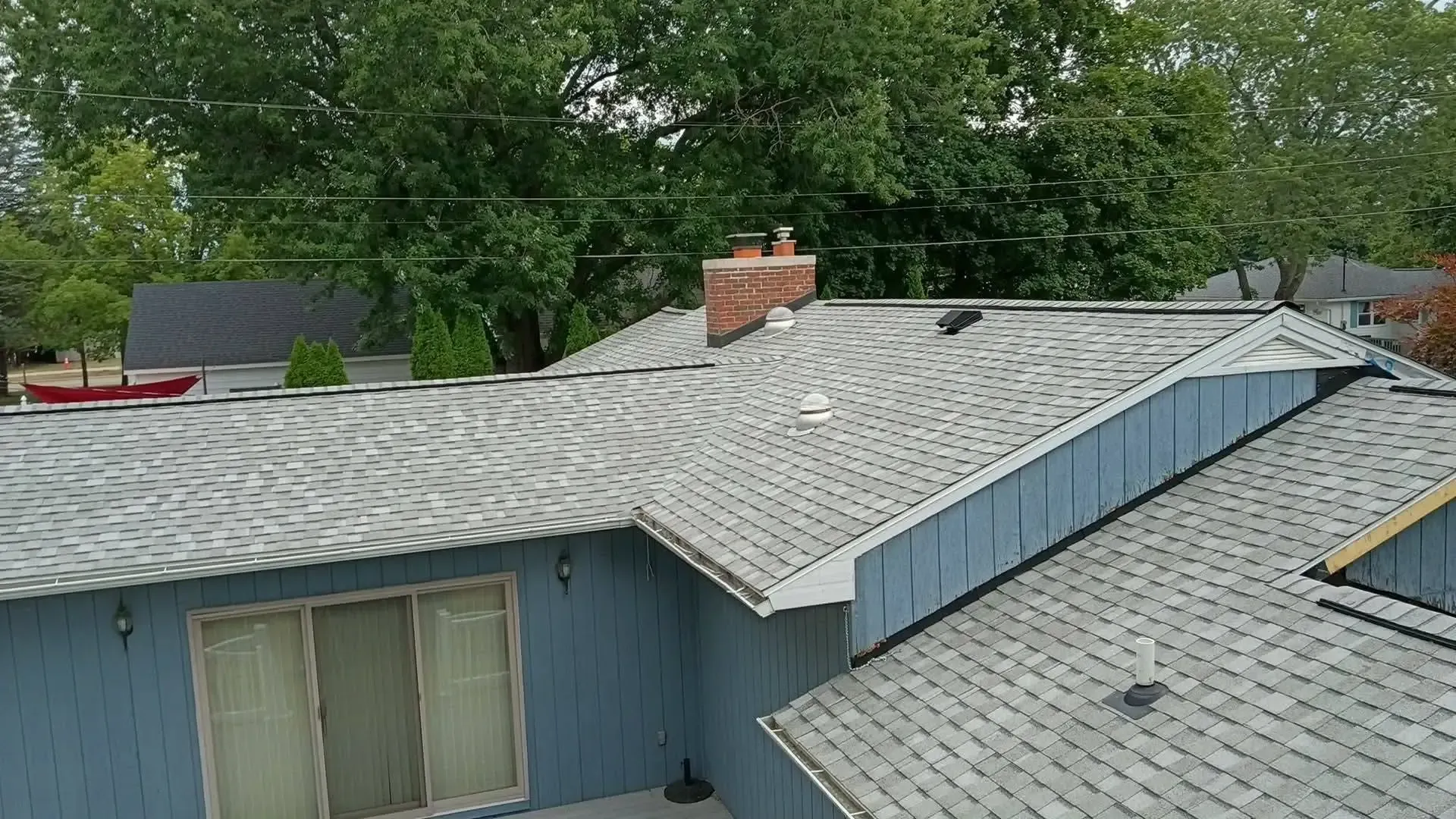
Could Metal Roofing Make Sense for Your West Michigan Home?
Metal roofing deserves serious consideration in West Michigan when the complete system is installed correctly. It is not right for every home, but it can be a strong long-term option for homeowners who plan to stay or prefer a different maintenance profile.
The decision should not rest on a single sales claim. Roof shape, deck condition, panel design, fastening, flashing, coatings, ventilation, snow movement, expansion details, budget, and appearance all matter.
| Factor | Asphalt Shingles | Metal Roofing |
|---|---|---|
| Upfront cost | Usually lower | Usually higher |
| Repairs | Individual areas may be simpler | Requires system-specific experience |
| Snow behavior | Snow may remain longer | Snow may release suddenly; snow guards may help |
| Design choices | Many colors and profiles | Several panels, metals, and finishes |
| Critical details | Material quality and installation | Attachment, flashing, coatings, and movement |
Metal roofing does not automatically eliminate ice dams. Air sealing, insulation, ventilation, drainage, and eave protection remain important with any roof covering.
Reflective finishes may reduce summer heat gain, but savings vary by climate, insulation, roof type, and heating and cooling equipment. The U.S. Department of Energy notes that cool roofs offer their greatest cooling benefit in hot climates and can reduce useful winter heat gain in colder climates.
When replacement becomes necessary, compare complete roofing installation options, not just material prices. Ask what underlayment, flashing, ventilation, fasteners, deck repairs, cleanup, and warranties are included. Review our guide to choosing a roofing replacement contractor before signing.
Schedule a Roof Inspection With RAO Roofing
A professional roof inspection is a practical first step when you are unsure whether wind, hail, ice dams, or repeated leaks have affected your roof. Finding a weak seal, damaged flashing, moisture problem, or storm impact early may give you more repair options before the next season makes the damage worse.
RAO Roofing serves Grant and communities across Central West Michigan. The company is located at 13873 South Thornapple Avenue in Grant. Call (231) 282-1932 to schedule an inspection or request a free estimate.
FAQs About Roof Inspections
How do I know whether I have an ice dam?
A ridge of ice at the eave, large icicles, uneven snow melting, and ceiling stains near outside walls are common signs. Icicles alone do not prove water has entered, but they are a reason to check the attic and roof edge.
How often should I schedule a roof inspection in Michigan?
Check from the ground after severe weather and arrange an inspection when you notice damage, leaks, or widespread aging. For an older roof or a home with previous trouble, a yearly inspection can help track changes early.
Should I inspect the roof myself after a storm?
You can document visible damage from the ground and check the attic and ceilings. Do not climb onto a wet, icy, steep, or storm-damaged roof.
Is metal roofing a good option for an older home?
It can be, but the roof deck, framing, ventilation, flashing, and existing layers should be evaluated first. The answer depends on the structure and metal system being considered.
Does homeowners insurance cover wind or hail damage?
Some policies cover sudden wind or hail damage, but coverage is not automatic. Deductibles, exclusions, roof age, cause of loss, maintenance history, and the insurer’s findings may affect the claim. Michigan DIFS notes that insurers provide benefits only for covered losses.
SHARE THIS ARTICLE
Recent Posts