What Causes Roof Leaks During Heavy Rain?
Heavy rain often causes roof leaks when
water finds weak spots in your roofing system. Common leaking roof causes include
damaged shingles, loose flashing, clogged gutters, worn roof valleys, storm damage, aging materials, and poor drainage. If you notice dripping, ceiling stains, attic moisture, or roof water damage, schedule roof leak repair in Grant, MI before the next storm makes the problem worse.
Why Roof Leaks Happen During Heavy Rain
Heavy rain does not always create a roof problem. It often reveals damage that was already there. When steady or wind-driven rain hits your home, water can push into small gaps around shingles, vents, flashing, or roof edges.
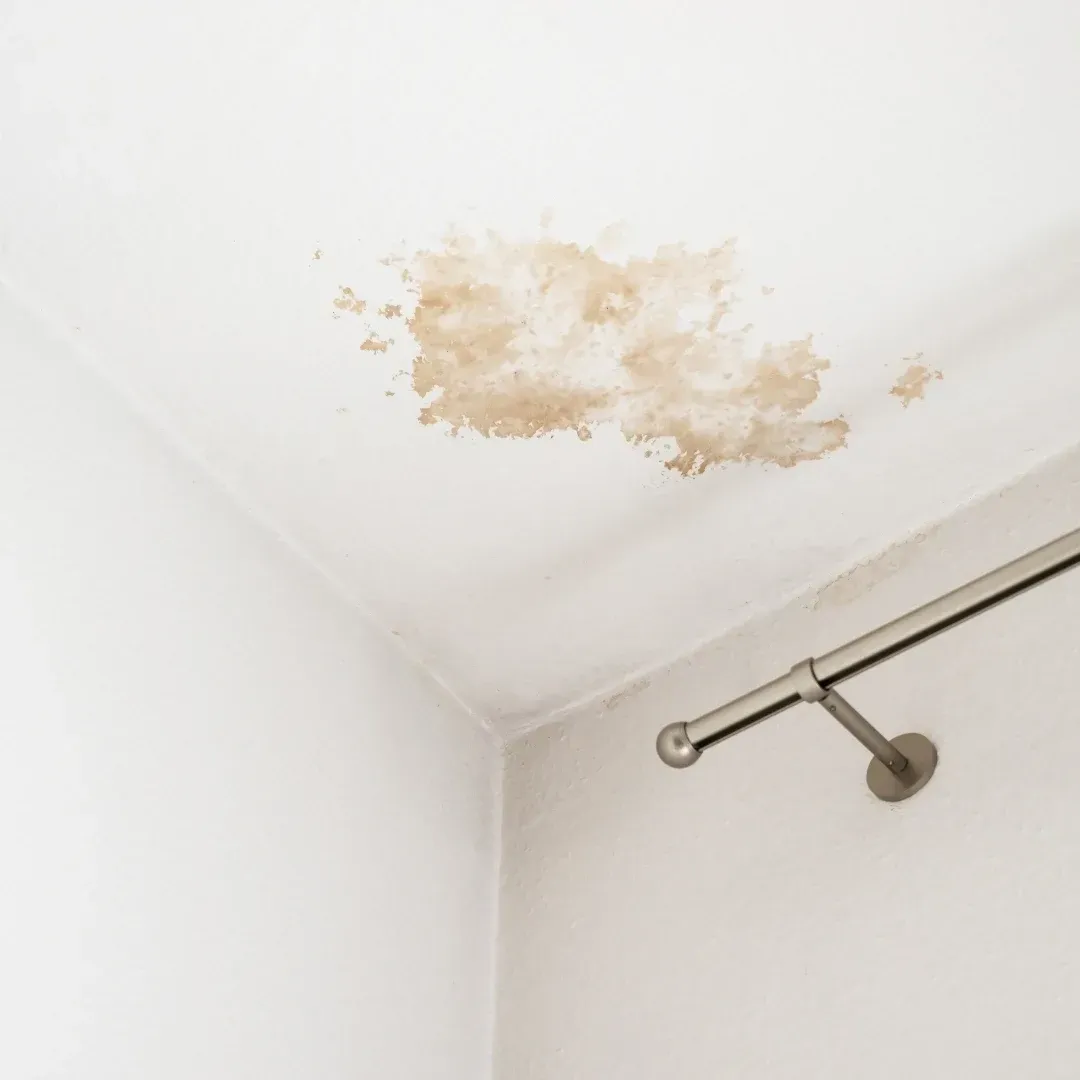
A leak may also show up far from the entry point. For example, water might enter near a roof vent, travel along a rafter, and drip through a bedroom ceiling several feet away. This is why the stain you see inside may not be directly below the damaged area.
Signs of roof water damage include:
- Brown ceiling stains
- Damp attic insulation
- Musty smells
- Peeling paint
- Soft drywall
- Missing or lifted shingles
Damaged or Missing Shingles
Damaged or missing shingles are one of the most common reasons a roof leaks during heavy rain. Shingles are the first layer of protection, so cracks, curling, lifting, or missing sections can let rain reach the roof deck.
High winds can lift shingle edges, hail can loosen granules, and tree branches can scrape the surface. Once that layer is weak, heavy rain roof damage becomes more likely.
A small patch of missing shingles may not leak during a light shower. During a long storm, water can soak the exposed area and enter the attic. If you see this type of damage, RAO Roofing can help with roofing repairs before the issue spreads.
For more warning signs after severe weather, read our related blog on hidden storm damage in Michigan.
Flashing, Vent, and Sealant Problems
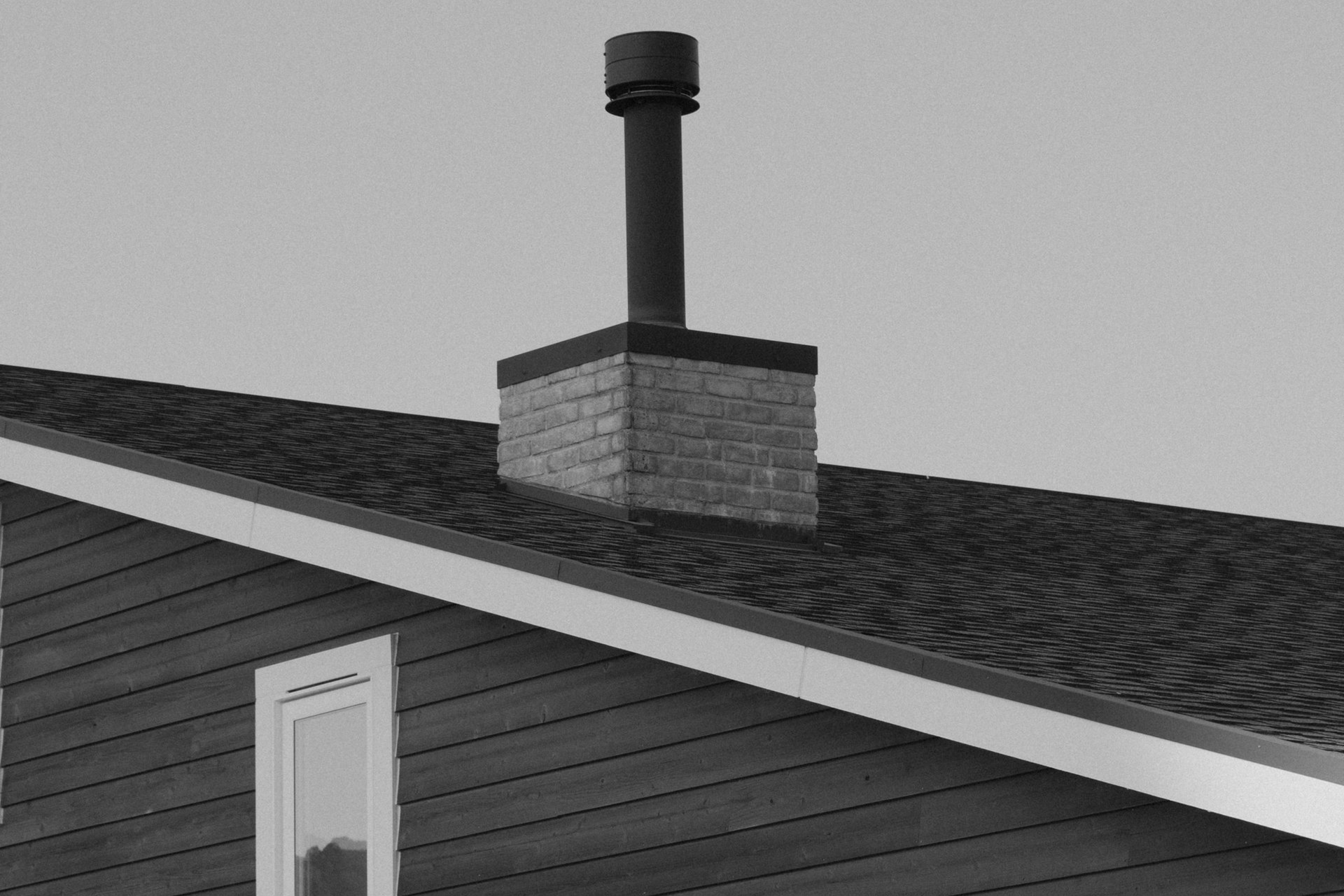
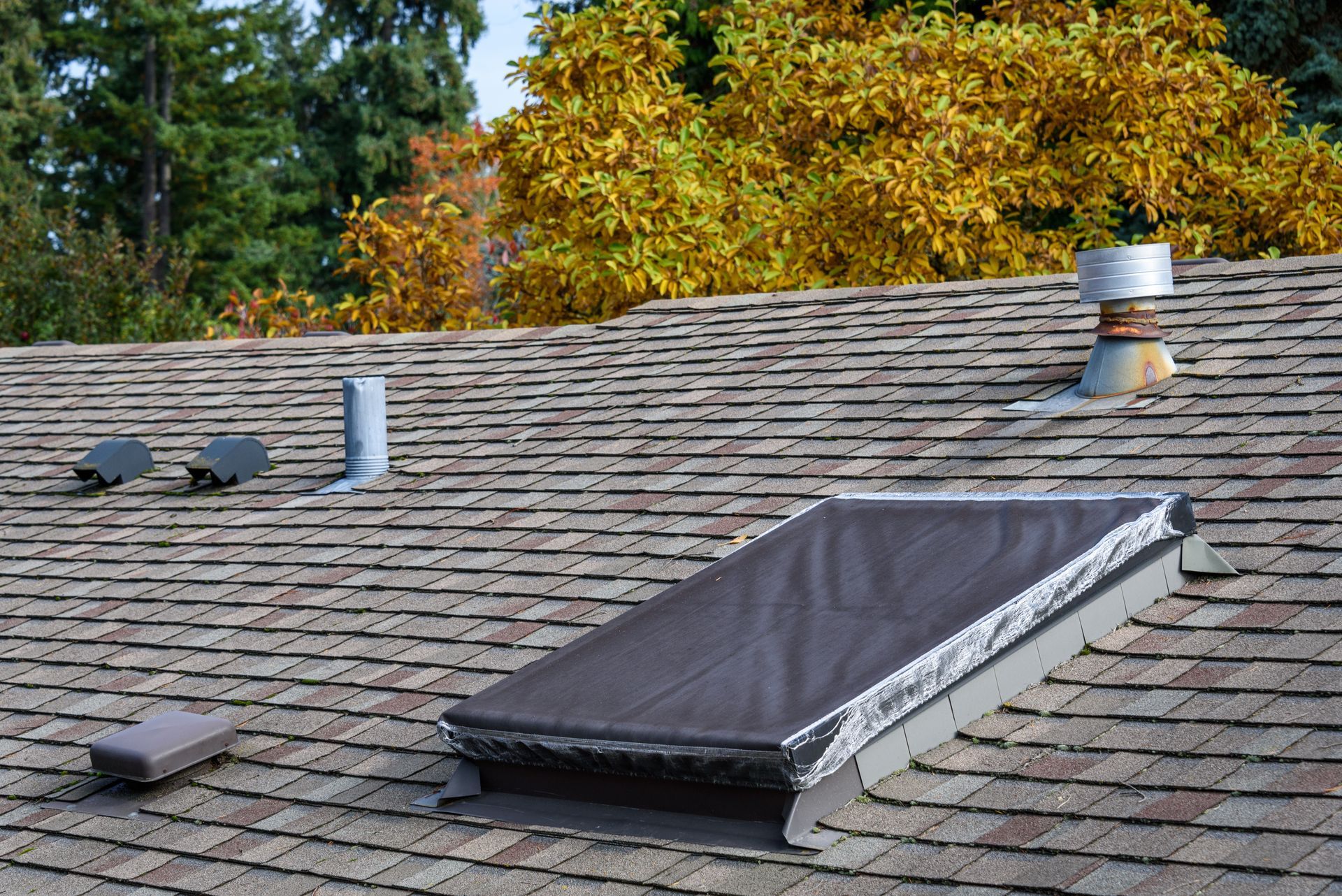
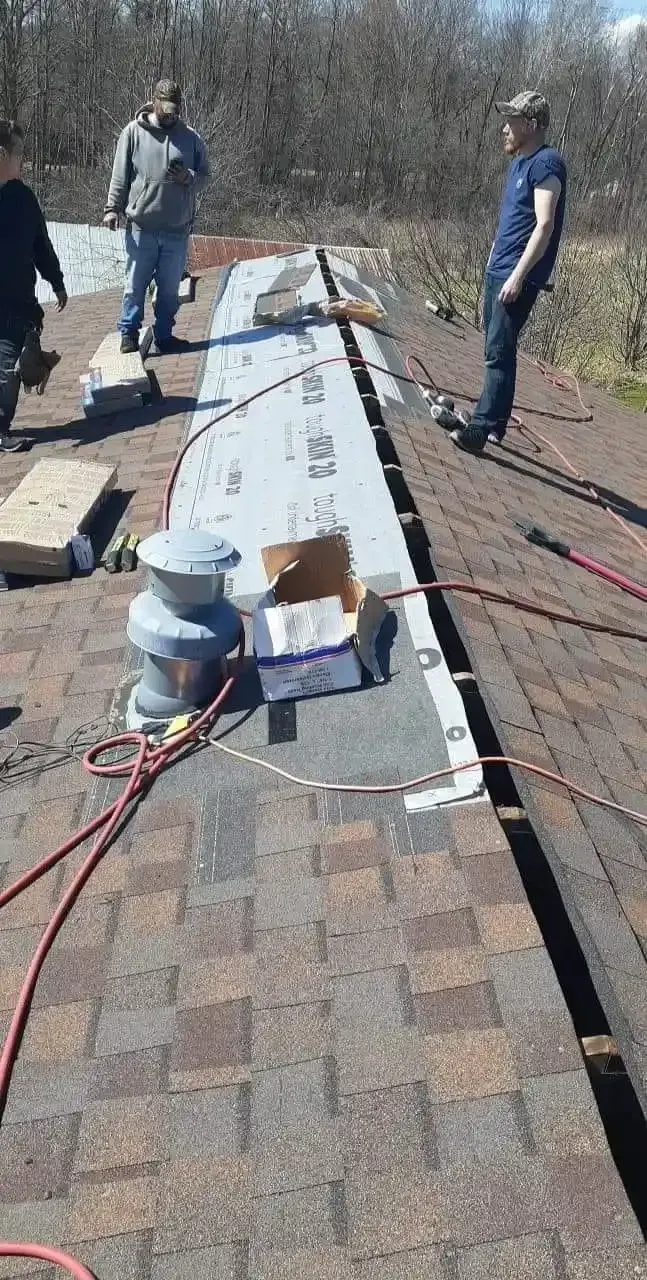
Flashing problems can cause leaks around chimneys, skylights, roof vents, plumbing pipes, dormers, and wall intersections. Flashing is the metal or sealed material that directs water away from roof openings and transition points.
When flashing rusts, loosens, cracks, or separates from the roof, heavy rain can slip behind it. Old sealant can also dry out and pull away. Caulk may slow the leak, but it will not fix damaged flashing or shingles underneath.
For example, water near a fireplace after a storm may come from loose chimney flashing, not the chimney itself. Ventilation can also play a role in moisture problems, especially during Michigan winters. Learn more in our guide to roof ventilation problems in Michigan.
Clogged or Damaged Gutters
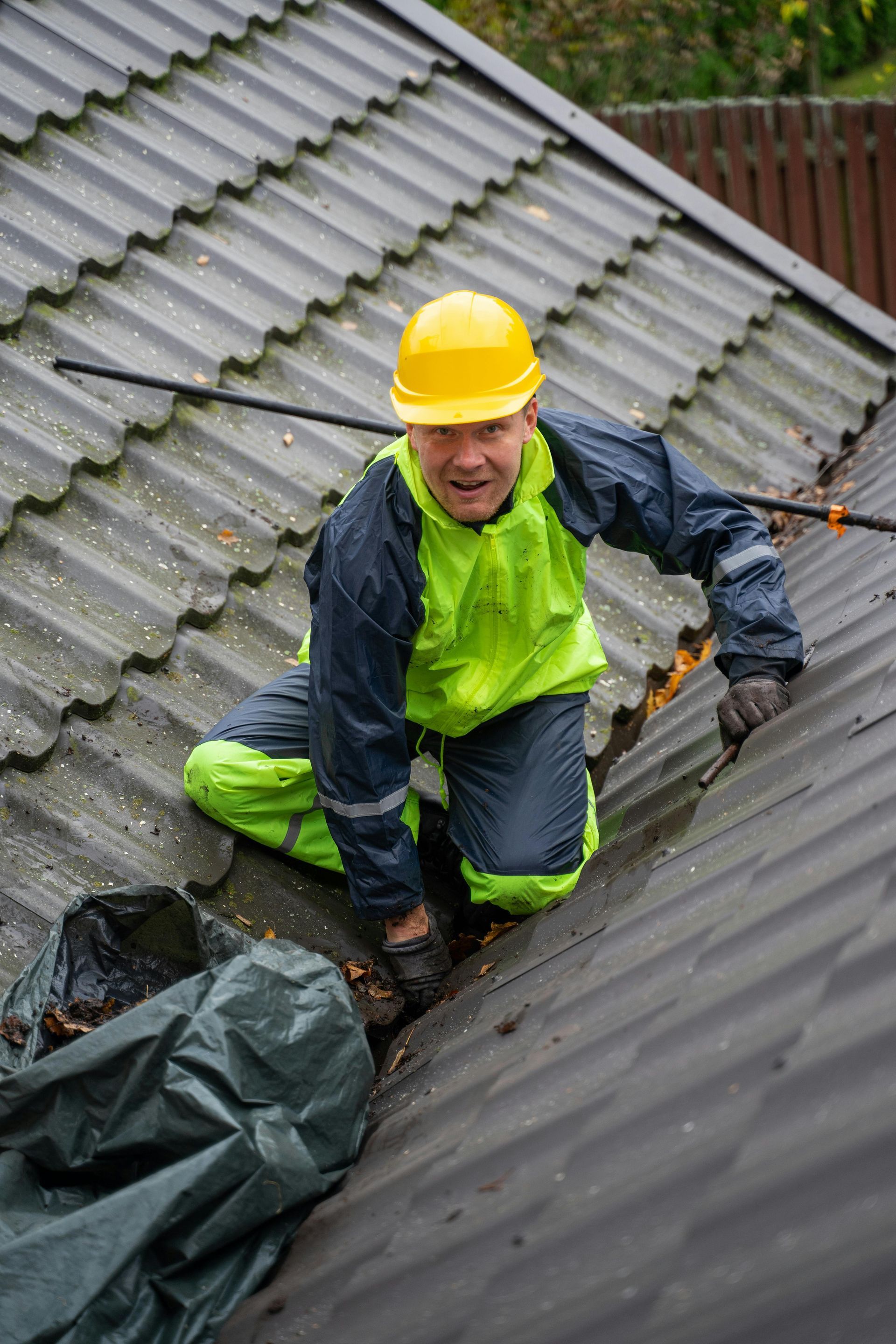
Clogged gutters can cause roof leaks because they stop water from draining away from the roof properly. When gutters fill with leaves, twigs, pine needles, or shingle granules, water can overflow, back up under roof edges, and damage fascia or soffits.
Gutters also protect siding, landscaping, and foundations from water damage. This matters in Grant, MI, where heavy rain can overwhelm a gutter system that is sagging, loose, or poorly sloped. If your gutters overflow during storms, ask RAO Roofing about gutter services.
| Problem sign | More likely roof leak | More likely gutter issue |
|---|---|---|
| Missing shingles | Yes | No |
| Overflow at roof edge | Maybe | Yes |
| Sagging gutters | No | Yes |
| Ceiling stain in center of room | Yes | Maybe |
| Water near foundation | No | Yes |
Roof Valleys and Low-Slope Areas
Roof valleys leak during heavy rain because they carry more water than many other parts of the roof. A valley is where two roof sections meet, so rain from both sections runs through that area.
If valley shingles, underlayment, or flashing are worn or poorly installed, water can get underneath. Debris can also collect in valleys and slow drainage. Low-slope roof areas need attention too because water may not run off quickly.
For example, leaves sitting in a valley after fall storms can hold moisture and block water flow. Over time, that moisture can wear down shingles and increase the chance of roof water damage.
Storm Damage and Aging Roofing Materials
Storm damage and aging materials make roofs more likely to leak during heavy rain. Wind, hail, snow, ice, and freeze-thaw cycles can weaken roofing materials long before a leak appears inside the home.
Some storm damage is hidden from the ground. Shingles may lift slightly, flashing may loosen, or granules may wear off. Ice dams can also force water under shingles during cold Michigan weather.
Homeowners in Central West Michigan should consider a professional roof inspection after strong winds, hail, or repeated storms, especially if they see loose shingles, granules in gutters, or stains inside the home.
When to Call for Roof Leak Repair
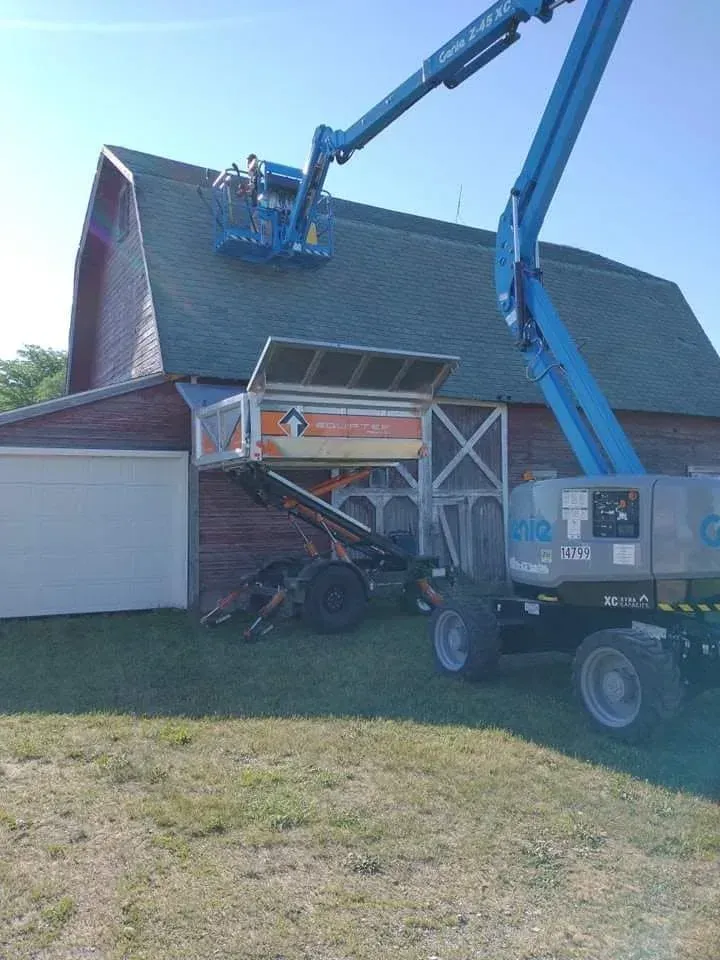
Call for roof leak repair when you see active dripping, spreading stains, wet insulation, missing shingles, or leaks that return during storms. Waiting too long can allow roof water damage to spread into drywall, framing, insulation, and electrical areas.
Do not climb on the roof during heavy rain, high winds, or icy conditions. Move valuables away from the leak, place a bucket under the dripping water, take photos, and call a local roofing company. For urgent situations, see our guide on emergency roof repairs in Grant, MI.
A repair may be enough for a few missing shingles, a small flashing issue, or an isolated vent leak. A replacement may be better if your roof has repeated leaks, widespread shingle wear, soft decking, or storm damage across large areas. In that case, RAO Roofing can explain your options for roofing installation services. You can also compare the warning signs in our blog on roof replacement signs in Michigan.
Call RAO Roofing to Stop Roof Leaks in Grant, MI
RAO Roofing helps homeowners find the source of leaks and stop water damage before it gets worse. If heavy rain has caused a leak in your Grant, MI home, our team can inspect your roof, check shingles and flashing, review gutter drainage, and recommend the right repair.
We serve homeowners in Grant and surrounding Central West Michigan communities, including Fremont, Newaygo, Big Rapids, Sparta, Kent City, White Cloud, Howard City, Cedar Springs, Muskegon, Hesperia, Morley, Reed City, and Grand Rapids.
Call
RAO Roofing at
(231) 282-1932 for roof leak repair in Grant, MI. We can help protect your home before the next heavy rain causes more damage.
FAQs About Roof Leak Repair
Why does my roof only leak during heavy rain?
Your roof may only leak during heavy rain because stronger water flow exposes small weak spots. Wind-driven rain can also push water under shingles, flashing, vents, or roof edges that do not leak during light rain.
What are the most common leaking roof causes?
The most common causes of a leaking roof include damaged shingles, missing shingles, failing flashing, clogged gutters, worn roof valleys, storm damage, and aging materials. Poor installation or old sealant can also let water into the roof system.
Can clogged gutters cause roof water damage?
Yes. Clogged gutters can make water overflow, back up under roof edges, and damage fascia, soffits, siding, or nearby roof areas. Keeping gutters clear helps move rainwater away from your home.
Should I call for roof leak repair if the leak stops after the storm?
Yes. A leak that stops after the rain may still have an open entry point. The next storm can send water back into the same area and cause more damage.
How do I know if I need roof repair or roof replacement?
A repair may work if the damage is small, such as a few missing shingles or one flashing problem. Replacement may be better if your roof has repeated leaks, widespread damage, soft decking, or old materials.
SHARE THIS ARTICLE
Recent Posts