EPDM Roofing Explained: Benefits, Installation, and Why It’s Popular for Flat Roofs
Flat roofs have a reputation. Some people think they are modern and sleek. Others think they are basically a giant puddle waiting to happen. The truth is, flat roofs can be incredibly durable and dependable, but only if they are built with the right materials and installed the right way. That’s where epdm roofing comes in.
EPDM (short for ethylene propylene diene monomer) is a rubber roofing membrane that has become one of the most popular options for flat and low slope roofs. You will often see it on commercial buildings, garages, and certain residential additions. It is flexible, weather resistant, and built to handle harsh conditions without throwing a tantrum every time it rains.
City skyline
What Is EPDM Roofing and Why Is It Used on Flat Roofs?
EPDM is a synthetic rubber membrane designed specifically for flat and low slope roofing systems. Unlike asphalt shingles, which rely on gravity and steep slopes to shed water, flat roofs need a waterproof barrier that can hold up to standing water, temperature swings, and constant exposure to the elements. EPDM is built for that job.
How EPDM Roofing Works
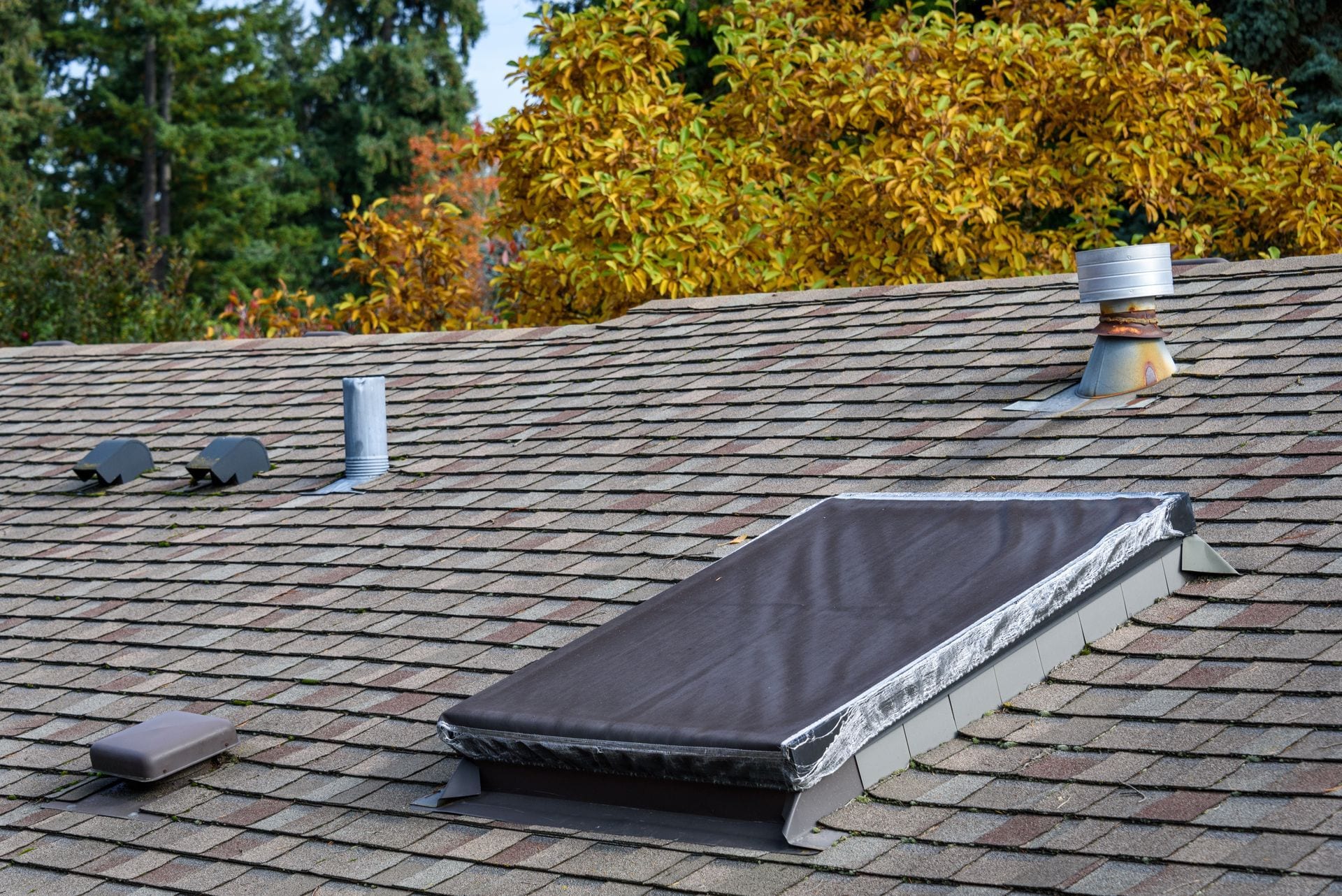
An EPDM system is essentially a large rubber sheet that covers the roof surface. It creates a water resistant layer that helps prevent leaks, rot, and moisture damage. These membranes are usually installed in large rolls, which means fewer seams than some other flat roofing materials.
Common Places You’ll See EPDM
EPDM is used in a wide range of applications, including:
- Commercial buildings with wide flat roof sections
- Residential flat roofs on porches and additions
- Garages and workshops
- Low slope roofs that struggle with drainage
- Older buildings being upgraded with modern roofing systems
Why Flat Roof Owners Like It
EPDM’s flexibility makes it a popular choice in climates that experience dramatic temperature changes. If you live in Michigan, you already know one week can feel like summer and the next week can feel like someone left the freezer door open.
EPDM handles those changes better than many rigid materials because it expands and contracts without cracking. It is also resistant to UV rays, which helps reduce premature aging.
So if you want a flat roof that does its job without needing constant attention, epdm roofing is often a strong contender.
Benefits of EPDM Roofing for Flat and Low Slope Roofs
When homeowners and property managers choose EPDM, they are usually looking for something that checks three boxes: durability, cost effectiveness, and reliability. EPDM fits that list pretty well.
Key Benefits of EPDM Roofing
- Excellent Weather Resistance: EPDM stands up to rain, snow, hail, and wind like a champ. It is especially useful for flat roofs where water may sit longer than it would on sloped roofs.
- Strong Flexibility: Rubber naturally bends and moves, which helps prevent cracking during seasonal temperature changes.
- Long Lifespan: With proper installation and routine inspections, EPDM roofs can last 20 to 30 years, and sometimes longer.
- Low Maintenance: EPDM does not require constant upkeep. Basic inspections and minor repairs go a long way.
- Cost Friendly: Compared to some other flat roofing systems, EPDM tends to be more affordable while still offering solid performance.
If you are looking for a flat roof solution that keeps your building protected without drama, epdm roofing is a strong choice. It is not flashy, but it is dependable. Kind of like the friend who always shows up on time and never forgets snacks.
EPDM Roofing Installation: What to Expect and Why Professional Work Matters
EPDM might look like a giant rubber mat, but do not let the simplicity fool you. Proper installation is what makes or breaks the entire roofing system. A well installed EPDM roof can protect your property for decades. A poorly installed one can become the roof that leaks every time you make plans.
What Happens During Installation
Most EPDM roofing projects follow a process like this:
- Roof inspection and prep: The roofing crew checks the existing structure, removes damaged materials, and prepares the surface.
- Installing insulation or underlayment if needed: This step helps improve energy efficiency and creates a smoother base.
- Laying out the EPDM membrane: The membrane is rolled out and positioned to minimize seams.
- Adhering or fastening the membrane: EPDM can be installed using adhesives, mechanical fasteners, or ballast systems depending on the building type.
- Sealing seams and edges: Seams are sealed using tape or adhesives to prevent water intrusion.
- Flashing around roof penetrations: Vents, drains, HVAC units, and edges are detailed carefully to stop leaks.
So yes, it looks like a big rubber sheet, but it is a big rubber sheet that must be installed like it matters, because it definitely does.
Get EPDM Roofing Installed the Right Way in Grant, MI
Call RAO Roofing for Flat Roof Protection You Can Trust
If you are considering epdm roofing for a flat or low slope roof, RAO Roofing is ready to help. Our team provides professional roofing installation and repairs in Grant, MI, and surrounding areas, with solutions that are built for Michigan weather conditions.
Call (231) 282-1932 today to schedule an inspection or get a quote for EPDM roofing installation. We also offer roofing repairs, inspections and insurance work, and gutters, so you can keep your entire exterior protected from top to bottom. Whether you need a new flat roof or want to make sure your current one is still going strong, we are here to make the process easy.
Frequently Asked Questions
Is EPDM roofing good for residential homes?
Yes. EPDM works well for flat roof sections like porches, additions, garages, and low slope areas on residential properties.
How long does EPDM roofing last?
Most EPDM roofs last 20 to 30 years with proper installation and maintenance.
Can EPDM roofing be repaired if it leaks?
In many cases, yes. Small punctures and seam issues can often be repaired without replacing the entire roof.
Is EPDM roofing better than other flat roof options?
It depends on your building and budget. EPDM is popular because it is durable, affordable, and relatively low maintenance.
Does EPDM roofing work in cold climates like Michigan?
Yes. EPDM remains flexible in cold temperatures and handles seasonal expansion and contraction well.
SHARE THIS ARTICLE
Recent Posts